
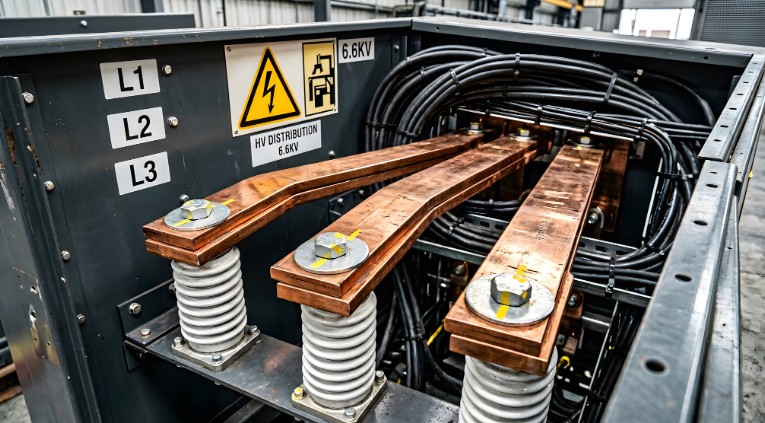
Bus duct systems play a critical role in industrial and commercial power distribution, carrying large amounts of electrical power between transformers, switchgear, generators, and critical equipment. Although bus duct systems are designed for reliability, they still require regular inspection and preventive maintenance to ensure long-term performance and safe operation.
In facilities such as data centers, manufacturing plants, utility infrastructure, healthcare facilities, and large commercial buildings, unexpected electrical failures can result in costly downtime, equipment damage, and operational disruptions. Preventive maintenance helps identify developing issues before they become serious failures.
Preventing Equipment Failure and Downtime
Over time, dust, moisture, vibration, heat, and environmental contaminants can affect the integrity of a bus duct system. Components such as gaskets, conductor joints, welds, insulation, and grounding connections may deteriorate if not regularly inspected. In demanding environments with elevated temperatures, moisture, or airborne contaminants, these issues can develop even faster.
Routine inspections help identify loose connections, overheating, damaged components, and signs of insulation breakdown before they lead to unplanned outages or catastrophic equipment failures. This is especially important in facilities where continuous power availability is essential.
Reducing Long-Term Maintenance Costs
A proactive maintenance strategy is often significantly less expensive than emergency repairs or replacing damaged equipment after a failure occurs. Electrical failures can create expensive downtime, disrupt operations, and lead to secondary damage throughout the facility’s power distribution system.
Preventive maintenance also helps reduce the risk of arc flash incidents, electrical fires, and other safety hazards associated with aging or improperly maintained electrical infrastructure. Early detection of potential problems allows facility operators to schedule repairs during planned maintenance windows instead of reacting to unexpected shutdowns.
The Importance of Proper System Design
Power distribution systems must be designed for actual operating conditions, not just standard temperature assumptions. Bus duct systems are often installed near ceilings or in areas where ambient temperatures fluctuate significantly under load. Without proper planning, overheating and performance issues can occur over time.
Proper engineering, equipment selection, and installation practices all play an important role in long-term system reliability. Additional protective measures and correctly designed distribution infrastructure can help minimize risk and improve operational performance.
Supporting Reliable Power Distribution Infrastructure
For critical infrastructure projects, preventive maintenance is only one part of maintaining reliable electrical performance. System design, installation quality, environmental considerations, and equipment protection strategies all contribute to the long-term success of a power distribution system.
Harbor Energy Solutions works with engineers, contractors, and facility operators to support dependable power distribution solutions for industrial, utility, and commercial applications.